Umrah Vaccine Requirements for 2026: Complete Guide for Pilgrims
Planning Umrah in 2026? Discover all mandatory and recommended vaccines, including the Meningococcal ACWY, influenza, COVID-19, and more. Learn timelines, certificate rules, and health tips to ensure a safe pilgrimage.
Every year, millions of Muslims make the Umrah pilgrimage to Saudi Arabia. During this period, the holy towns of Madinah and Makkah become extremely congested. Pilgrims have a variety of health issues, speak different languages, and come from different nations. Now imagine thousands of people standing close together during prayer, walking around the Kaaba, and sharing the same spaces. It is beautiful spiritually, but from a health perspective, it also means germs can spread faster.
This is why Saudi Arabia has strict requirements for the Umrah vaccine. Vaccines are medicines that help the body learn how to fight certain diseases. In simple words, they train the immune system. The body's inherent defensive mechanism, the immune system, keeps us healthy. Pilgrims who are properly vaccinated before their journey safeguard both themselves and others around them.
Saudi health authorities require certain vaccinations before issuing an Umrah visa. These rules are not meant to make travel difficult. They exist to keep millions of pilgrims safe during the pilgrimage season. Understanding these requirements early helps travellers avoid last-minute problems. No one wants visa delays or airport issues just because of a missing vaccination certificate.
Umrah Vaccine Requirements for 2026
In addition to the mandatory vaccine, doctors also recommend several other travel vaccines to keep pilgrims healthy in crowded conditions. Let's talk about that. Saudi Arabia has clear vaccination rules for Umrah pilgrims. These rules apply to adults and children. They help reduce the risk of disease spreading during the pilgrimage.
The most important required vaccine is the Meningococcal ACWY vaccine.
Meningococcal ACWY Vaccine
Every pilgrim travelling for Umrah in 2026 must receive the Meningococcal ACWY vaccine. This vaccine protects against a dangerous infection called meningitis. Meningitis is an illness that causes inflammation of the membranes surrounding the brain and spinal cord. The vaccine must be taken at least 10 days before arriving in Saudi Arabia. Pilgrims also need an official vaccination certificate as proof.
The Meningococcal ACWY vaccine protects against four strains of meningococcus. These bacteria can cause meningitis. Because Umrah brings millions of pilgrims to a single area, Saudi Arabia requires this vaccine for all travellers.
Here are the main rules.
- The ACWY meningococcal vaccine is mandatory for Umrah pilgrims
- It is required for adults and children
- The vaccine must be taken at least 10 days before arrival
- Proof of vaccination must be shown during visa processing
The 10-day rule exists because the body needs time to build protection after receiving the vaccine. If someone receives the vaccine too late, the immune system may not have enough time to mount a protective response. That is why doctors recommend planning vaccinations well before the travel date.
Vaccine Validity Period
Not all meningitis vaccines last the same amount of time. There are two common types of ACWY vaccines. Each type protects the body for a different period. The table below explains the difference.
| Vaccine Type | Validity Period |
| Conjugate ACWY vaccine | Valid for 5 years |
| Polysaccharide ACWY vaccine | Valid for 3 years |
The conjugate vaccine usually lasts longer. A conjugate vaccine is a type of vaccine designed to elicit stronger, longer-lasting immune protection. The polysaccharide vaccine also protects against meningitis, but for a shorter time. Pilgrims should check their previous vaccination records before travelling. If the vaccine has expired, a new dose must be taken.
Umrah Visa Vaccination Requirement
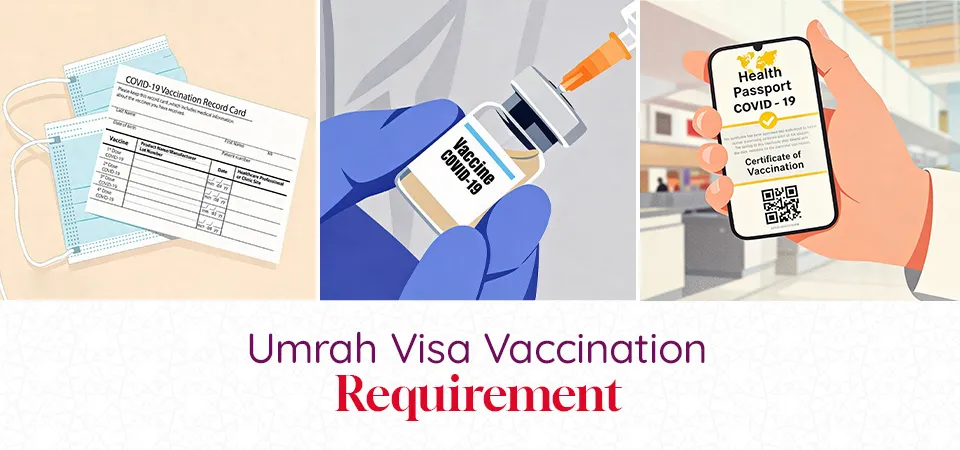
Receiving the vaccine is only one part of the process. Pilgrims must also provide official proof of vaccination. This proof is a vaccination certificate. A vaccination certificate is a medical document that shows which vaccines a person has received and when they were received. Saudi authorities use this document to confirm that travellers meet health requirements.
Information Required on the Vaccination Certificate
The certificate must include certain details. Without these details, the document may not be accepted during visa processing. Important information includes:
- Official vaccination certificate issued by a medical clinic
- Name of the vaccine and its type
- Date the vaccine was administered
- A stamp or signature from the clinic or hospital
- Passport details that match the traveller's passport
These details allow immigration and health authorities to confirm the vaccination is real and valid.
Language Requirements for the Certificate
Saudi authorities require vaccination certificates to be written in English or Arabic. If the certificate is issued in another language, it may need translation. A translated document must still clearly show the vaccine details and the medical centre stamp. Checking this detail early helps avoid problems during visa submission.
Recommended Vaccines for Umrah Travellers
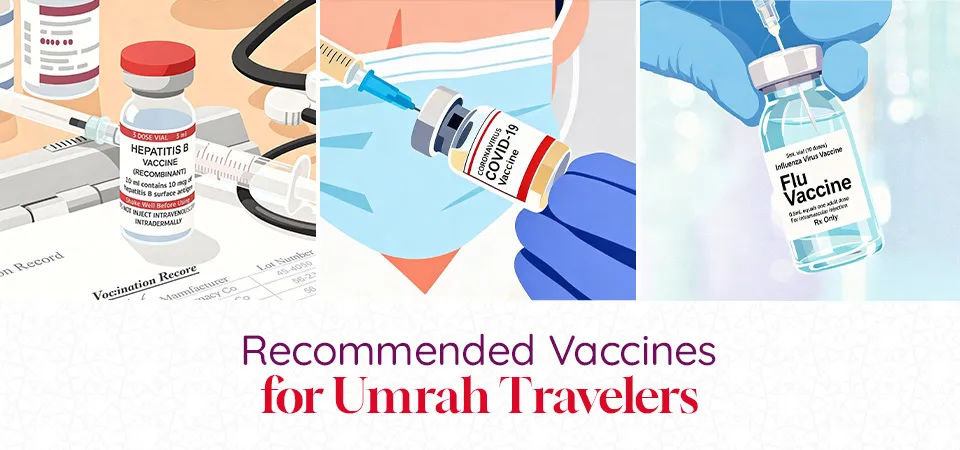
Some vaccines are mandatory. Others are strongly recommended by doctors. Recommended vaccines help protect pilgrims from common illnesses that spread easily during large gatherings.
Seasonal Influenza Vaccine
The seasonal influenza vaccine protects against the flu. Influenza is a contagious respiratory illness. It spreads through coughs, sneezes, and close contact. Because Umrah involves crowded areas like airports, hotels, and mosques, flu viruses can spread quickly. Doctors often recommend the flu vaccine before travel.
Receiving the vaccine reduces the risk of illness during the pilgrimage. And honestly, no one wants to spend Umrah feeling weak or feverish.
COVID-19 Vaccination
COVID-19 guidelines may be altered based on global health situations. It is a respiratory ailment caused by a virus that spreads by air. It became well-known during the worldwide epidemic. Saudi authorities sometimes update travel requirements based on new health data. Pilgrims should check official guidelines before travelling to confirm whether a COVID-19 vaccination is required or recommended.
Staying updated is important because health regulations can change.
Routine Travel Vaccines
Doctors also recommend that pilgrims make sure their routine vaccinations are up to date. Routine vaccines are vaccines people normally receive during childhood or adulthood to prevent common diseases. Some important ones include:
- MMR vaccine: protects against measles, mumps, and rubella
- Polio vaccine: prevents poliomyelitis, a virus that can cause paralysis
- Tetanus vaccine: protects against a bacterial infection affecting the nervous system
- Pertussis vaccine: protects against whooping cough
These vaccines may already be part of a person's regular vaccination schedule. Still, it is a good idea to confirm with a doctor before travelling.
Hepatitis A and Hepatitis B Vaccines
Doctors also recommend vaccines for Hepatitis A and Hepatitis B. Hepatitis is a disease that affects the liver. The liver is a vital organ that cleanses the blood and processes nutrients. While these vaccines are not mandatory for Umrah, they provide extra health protection for travellers.
Yellow Fever Vaccine (If Required)
The Yellow Fever vaccine is required only for travellers arriving from countries where yellow fever exists. Yellow fever is a viral disease spread by mosquitoes. Some regions in Africa and South America have a risk of yellow fever infection. If a pilgrim is travelling from one of these countries, they must show proof of vaccination before entering Saudi Arabia. Travellers from countries without yellow fever risk usually do not need this vaccine.
When to Get the Umrah Vaccine

Planning vaccine timing is one of the most important parts of Umrah preparation. Many people focus on flights, hotels, and packing lists first. Then suddenly they realise something important. Vaccines also need time.
The body does not become protected instantly after an injection. Vaccines teach the immune system how to recognise a disease. This learning process takes a few days. That is why health authorities require pilgrims to receive the meningitis vaccine at least ten days before entering Saudi Arabia.
Preparing early removes stress from the process. Pilgrims who schedule vaccinations in advance avoid last-minute panic. They also have enough time to collect the documents needed for the Umrah visa. Travel health experts usually suggest starting preparations six to eight weeks before departure. That timeline allows pilgrims to receive vaccines, handle medical paperwork, and confirm that all health requirements are complete.
Ideal Vaccination Timeline for Umrah Pilgrims
Many travellers wonder about the best time to get vaccines before their trip. Instead of guessing, it helps to follow a simple timeline. This schedule gives enough time for medical preparation while keeping everything organised.
| Time Before Travel | What Pilgrims Should Do |
| 6-8 weeks before travel | Schedule a doctor appointment and review vaccine history |
| 4:6 weeks before travel | Receive recommended travel vaccines if needed |
| At least 10 days before travel | Take mandatory meningococcal ACWY vaccine |
| Before visa submission | Prepare vaccination certificate |
Following this schedule helps pilgrims avoid problems with visa applications or entry checks. Travel preparation often feels overwhelming. There are passports, visas, bookings, luggage, and family responsibilities to manage. But once vaccines are handled early, one big worry disappears.
Health Advice for Umrah Pilgrims
Vaccines are important, but they are only one part of staying healthy during Umrah. Pilgrimage involves long walks, large crowds, and busy schedules. These conditions can sometimes lead to fatigue or minor illness. Taking a few simple precautions can help pilgrims stay comfortable and healthy.
Medical Consultation Before Travel
Before travelling, pilgrims should consider speaking with a doctor. This step is especially important for people with chronic medical conditions. Examples include diabetes, heart disease, or asthma. Travel can sometimes affect these conditions. A doctor can review medications, suggest precautions, and confirm whether travel is safe.
Pilgrims may also receive advice on hydration, diet, and physical activity during the pilgrimage. Planning ahead helps travellers avoid health problems while focusing on their spiritual experience.
General Health Precautions During Umrah
Crowded environments increase the chance of catching common illnesses such as colds or flu. Simple habits can reduce this risk. Pilgrims should stay hydrated by drinking water regularly. Walking long distances in warm weather can cause dehydration. Using face masks in crowded areas may also help reduce the spread of respiratory infections.
Another useful step is carrying basic medicines. Small items like pain relievers, allergy tablets, or stomach medicine can be helpful during travel. Rest is also important. Many pilgrims become very busy during Umrah and forget to slow down.
General Tips for Umrah Health and Travel Preparation
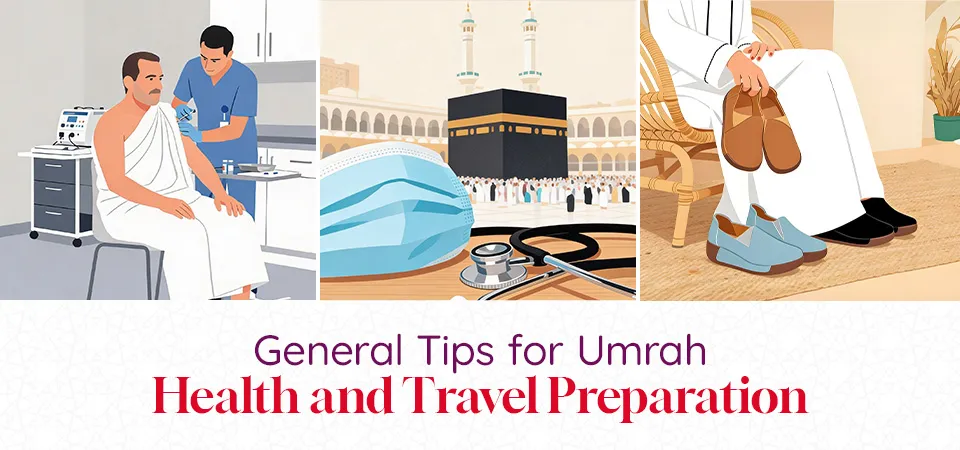
The tips below help travellers stay organised, healthy, and comfortable during their Umrah journey. Each step may seem small, but together they make a big difference.
Keep Vaccination Records Safe
Vaccination documents are extremely important during Umrah travel. Without proper proof of vaccination, pilgrims may face delays during visa processing or entry checks. It is always wise to keep multiple copies of vaccination certificates. Pilgrims should carry a printed copy inside their travel folder and store a digital copy on their phone. If any document is lost, the digital copy can still be shown to the authorities.
Stay Hydrated During the Pilgrimage
Umrah involves a lot of walking. Pilgrims walk around the Kaaba during Tawaf and move between Safa and Marwah during Sa'i. These rituals can take time and physical effort. Due to this, staying hydrated is critical. Pilgrims should drink water often during the day. Zamzam water is widely available in Makkah, and many pilgrims drink it during their visit.
Taking short breaks and drinking water helps maintain energy during the pilgrimage.
Wear Comfortable Clothing and Footwear
Many people focus on buying new clothes for Eid or special occasions. But during Umrah, comfort is more important than fashion. Pilgrims walk long distances during rituals and daily travel. Wearing comfortable shoes helps prevent foot pain and blisters. Loose clothing also helps the body stay cool in warm weather. When pilgrims feel physically comfortable, they can focus better on worship and prayer.
Small details like comfortable footwear can make the pilgrimage much easier.
Use Masks in Crowded Areas
Umrah brings together millions of people from around the world. Large crowds gather inside mosques, hotels, and transportation areas. Crowded spaces increase the risk of respiratory infections. These infections spread through coughs, sneezes, and close contact. Using face masks in crowded areas can help reduce the spread of germs. Masks act as barriers that prevent droplets from reaching others.
Carry Basic Medicines
Travelling to another country sometimes means unfamiliar food, climate, or daily routine. These changes may cause minor health issues like headaches or stomach discomfort. Carrying basic medicines can be very helpful. Pilgrims often pack simple items such as:
- Pain relievers
- Cold or flu medicine
- Allergy tablets
- Stomach medicine
These medicines help treat minor health problems quickly so pilgrims can continue their journey comfortably.
Get Enough Rest
Many pilgrims try to do everything at once. They want to visit every mosque, perform extra prayers, and explore the holy cities. While enthusiasm is understandable, rest is equally important. The body needs sleep to recover energy. Lack of rest may lead to fatigue or illness.
Taking breaks between activities helps maintain strength during the pilgrimage. Balanced routines make the experience more peaceful and enjoyable.
Follow Local Health Guidelines
Saudi health authorities may sometimes update travel rules depending on global health conditions. Pilgrims should stay informed about official guidelines before travelling. This includes checking vaccine updates, travel advisories, and entry rules.
Focus on Spiritual Preparation Too
Health preparation is important, but Umrah is ultimately a spiritual journey. Pilgrims often prepare by learning the rituals of Umrah, reading duas, and studying the meaning behind each step of the pilgrimage. Understanding the rituals helps pilgrims perform Umrah with confidence and peace of mind.
When both physical preparation and spiritual preparation are balanced, the journey becomes more meaningful.
Final Thoughts
Preparing for Umrah is both a spiritual and practical process. Pilgrims often focus on prayer, travel planning, and accommodation. But health preparation is just as important. Vaccines protect individuals and the wider community. When pilgrims follow vaccination requirements, they help keep the pilgrimage safe for everyone. Understanding the Umrah vaccine requirements for 2026 early allows travellers to prepare calmly and confidently.
With the right vaccines, proper documentation, and basic health precautions, pilgrims can focus on what truly matters.