Best Time to Visit Victoria Falls, Zimbabwe for Perfect Views
Discover the best time to visit Victoria Falls, Zimbabwe, with our month-by-month guide. Find the perfect season for stunning views, photography, adventure activities, and unforgettable experiences at one of the world's greatest natural wonders.

Imagine a river so wide it looks like it's breathing. That's Victoria Falls: known locally as Mosi-oa-Tunya, "the Smoke That Thunders." It sits right on the edge of Zimbabwe and Zambia, fed by the Zambezi River. Here's the thing: Victoria Falls never looks the same twice. Its power, its mist, even its rainbows change with the seasons. Visit for one month, and it's wild. Come back later, and it's gentle.
That's why timing your visit is everything. The falls don't follow a simple on-and-off rhythm. Picking the right time decides what kind of story you'll take home.
Quick Comparison: Best Months to Visit
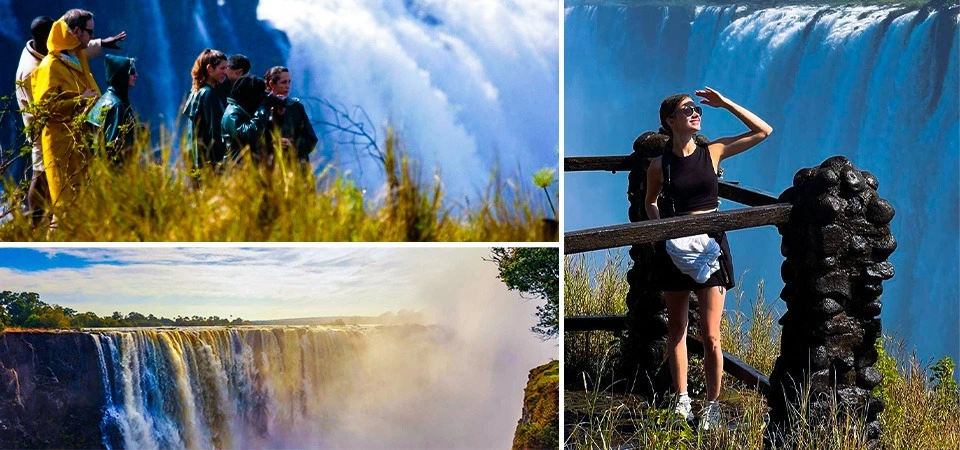
Don't have time to read the full guide? This table gives you a quick overview of what to expect during some of the most popular months for visiting Victoria Falls.
| Month | Water Flow | Photography | White-Water Rafting | Devil's Pool | Crowds |
| April | Peak water levels and maximum spray | Challenging due to heavy mist and spray | Usually paused because of high water | Closed | Moderate |
| July | Strong flow with excellent visibility | Excellent for wide-angle shots and landscapes | Open | Closed | High |
| September | Lower water levels with clear views | Excellent, especially for gorge photography | Excellent conditions with thrilling rapids | Often open (subject to conditions) | High |
Why Timing Changes Everything
Victoria Falls depends entirely on the Zambezi River, which fluctuates with rainfall. From December to March, heavy rain fills the river, making the falls strong and loud. Around March and April, the water is at its highest, creating thick spray that can cover everything nearby. When the rains stop, the river slowly drops. By July, the water is lower, the mist is lighter, and you can actually see the rocks and the whole shape of the gorge.
When people ask about the best time to visit, it really depends on what you want to see.
January to February
From January to February, the summer rains fill the Zambezi River again, and the water slowly begins to rise. The weather is warm and humid, and the air feels thick with moisture. The falls aren't at full strength yet, but the area around them turns beautifully green. The trees, grass, and plants all come back to life after the dry months.
By late February, the flow becomes much stronger, and you can hear the roar of the water from far away. The spray grows heavier, cooling the air near the viewpoints. These months can be unpredictable with rain showers, but they also bring the freshest scenery and fewer tourists.
March to April
From March to April, the waterfall is at its peak. During these months, the falls are at their loudest and most powerful. The spray covers everything nearby, and the ground trembles slightly under your feet.
If you want to see raw power, this is it. The entire mile-wide curtain of water is active. It's also one of the most photogenic times from the air. On the ground, though, it's a different story: the spray is so thick that taking clear photos becomes a challenge. You'll probably end up damp within minutes.
- Rafting is paused for a few weeks because the water level makes the rapids unpredictable.
- Some walking paths near the edge may be slippery or temporarily off-limits.
Still, many seasoned travellers argue that this is when the falls are at their most impressive. If you don't mind getting drenched, it's unforgettable.
May to June
From May to June, the rains slow down, and the sky starts to clear. The river is still full, so the falls stay strong but not too misty. This is the time when Victoria Falls looks big, bright, and clear. In May, the water is still powerful, but you can finally see it in full without too much spray. The weather feels cooler, and walking around the viewpoints is pleasant. The light is soft and perfect for photos.
By June, the air is cooler in the mornings, and the mist begins to fade. You can hear the roar of the water, but you can also see the rocks and the drop more clearly. It's a calm and comfortable time: just right to enjoy the beauty of the falls.
July to October
Between July and October, the Zambezi runs low, the spray thins, and the falls show their whole face. It's the time when you can finally see the gorge. The air feels dry and cool. Mornings are crisp, afternoons are warm, and the light is perfect for photography. Stand still for a moment, and you'll see colours shift. Here's what makes this time special:
- Perfect visibility: No thick mist blocking your view. You can actually see the waterfall, not just hear it.
- Comfortable weather: Clear skies, no rain, and mild temperatures make walking and sightseeing easy.
- Moonbows: Around full moons, the mist reflects moonlight, creating a soft white rainbow.
This season isn't just peaceful, it's thrilling too. White-water rafting gets wilder as the river drops. Lower water means bigger rapids and steeper drops. Helicopter flights become clearer; the reduced mist lets you capture the entire curtain of water from above. By late October, parts of the Zambian side may dry out. However, the Zimbabwean side always has water because it catches most of the river. If your main goal is consistent flow, stay on the Zimbabwe side.
This is the best time for travellers who want to combine great views with activities: it's the season when everything is open, visible, and comfortable.
November to December
By November, the heat begins to fade, and light rain starts to fall. Locals call this the green season because the dry land quickly turns fresh and green again. The river takes time to fill, so November still offers clear views, while December brings more mist as the water rises.
Adventure activities like Devil's Pool, rafting, and ziplining are usually open in November but may close later in December when the rains get heavier. Thunderstorms are common in the afternoons, but mornings stay clear and bright. This is when the falls slowly regain their full strength, and you can feel nature waking up again after the dry season.
Activities by Season
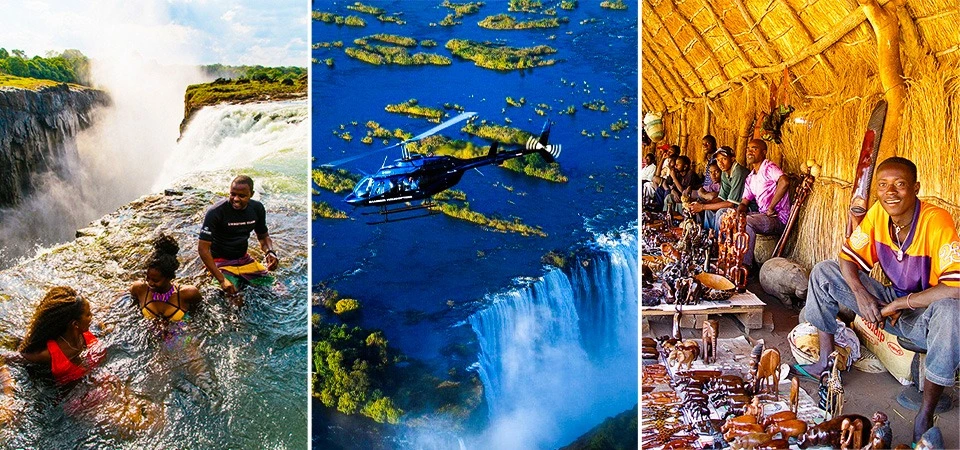
There's something to do every month, so you just have to match your plans with the water's rhythm.
Best for Adventure (August - December)
- Devil's Pool swims.
- White-water rafting (best rapids).
- Ziplining and bungee jumping over Batoka Gorge.
- Sunset river cruises on the Zambezi.
Best for Views and Comfort (June - August)
- Walking tours of the falls.
- Helicopter and microlight flights.
- Safari add-ons in Hwange or Chobe.
- Photography tours with local guides.
Best for Nature Lovers (November - March)
- Birdwatching.
- Rainforest walks.
- Cultural tours with local villages.
- Green landscapes and dramatic skies.
The trick is knowing what you care about most and picking your month accordingly.
Which Month Is Best for First-Time Visitors?
If this is your first trip to Victoria Falls, May through July offers the most balanced experience. The waterfall remains spectacular after the rainy season, but the spray is lighter, making it easier to appreciate the full width of the falls from the viewpoints. The weather is also comfortable for walking tours, helicopter flights, and nearby safari excursions.
Travellers visiting for the first time generally find June to be an ideal compromise between dramatic water flow, pleasant temperatures, and good visibility.
Weather and What to Expect
Victoria Falls follows a pretty simple pattern once you get to know it:
- Rainy Season (December to March): Hot, humid, and often dramatic. Temperatures hover between 25 and 35°C, and afternoons bring heavy storms.
- Dry Season (May to October): Cool mornings, warm afternoons, and almost no rain. Temperatures drop to 18-28°C, perfect for walking and exploring.
- Transitional Months (April & November): Mixed weather, shifting from one extreme to another, but incredibly beautiful for landscapes.
Pack light, but smart. A rain jacket is your best friend if you visit during high-water months. For the dry season, bring sunscreen, a hat, and plenty of water as the sun can be fierce even in winter. Comfortable shoes are a must all year; trails can be uneven and wet near the viewpoints.
Photography Tips for the Falls
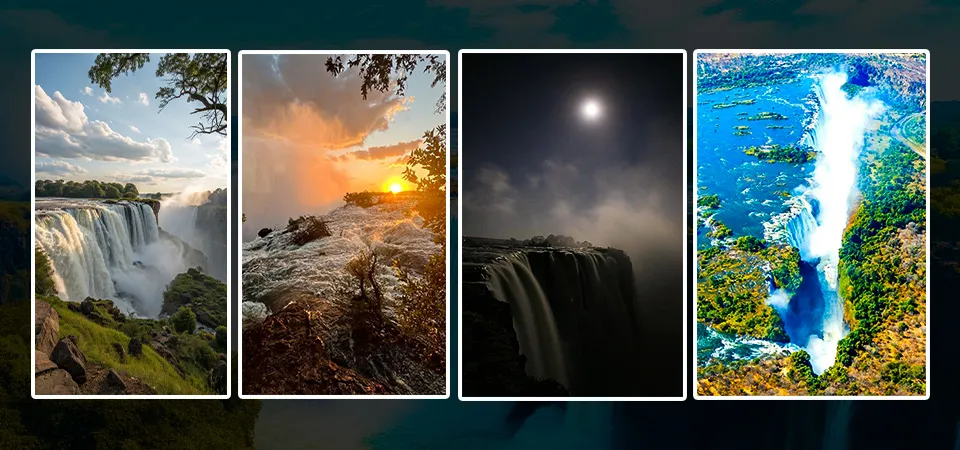
Light, water levels, and even the direction of the spray can change the look of your photos entirely.
Morning Light
Early mornings are peaceful and bright. The sunlight is soft, giving everything a warm golden glow. You'll find fewer people on the paths, so it's easier to take wide, quiet shots of the waterfall. If you want that dreamy, misty effect, this is the best time to go.
Afternoon Light
By the afternoon, the sun is higher, and the colours get sharper. The light hits the mist just right, often creating bold rainbows near the gorge. This is perfect for close-up shots or action photos of the water crashing down. Just be ready for a bit of spray.
Full-Moon Nights
On nights with a clear sky and a full moon, something rare happens: a lunar rainbow, also called a "moonbow." It looks like a silver arch glowing through the mist. These nights are special and occur only a few times a month, usually between April and August, when the air is clear.
Aerial Shots
If you want to capture the full size of the falls, take a helicopter or microlight flight between April and July. From above, you can see the white water cutting through the deep green forest. The contrast makes for incredible photos.
Protecting Your Gear
The mist at Victoria Falls can be unpredictable. It can soak your camera or phone before you realise it. Always carry a waterproof bag or ziplock cover, and keep a small cloth handy to wipe your lens. If you're using a phone, keep it close to your body when walking near the viewpoints.
Finding the Best Spots
For more natural, less crowded photos, visit the smaller viewpoints on the Zimbabwe side. They offer great angles without the rush of tourists. If you want variety, try shooting from both sides of the border: the Zimbabwe side offers wide shots, and the Zambian side offers closer, more dramatic angles.
Best Month for Photographers
Photography conditions vary dramatically throughout the year, so the "best" month depends on the style of images you want to capture.
- April and May: Best for showcasing the immense power of the falls, dramatic spray, and rainbows, although lenses will need constant wiping.
- July and August: Excellent for crisp panoramic views, aerial photography, and capturing the gorge in detail.
- September: Ideal for combining clear visibility with golden light and adventurous perspectives from both Zimbabwe and Zambia.
Photographers hoping to capture the famous lunar rainbow, or moonbow, should also plan around a full moon during the dry season when skies are typically clearer.
Best Month for Families
Families travelling with children often enjoy visiting between June and August. Cooler temperatures make sightseeing more comfortable, walking trails are easier to navigate, and there is less risk of being soaked by heavy spray. Wildlife viewing in nearby national parks is also excellent during this period, allowing families to combine Victoria Falls with memorable safari experiences.
Many attractions remain fully operational, giving visitors plenty of options without the intense heat of late spring.
Best Month on a Budget
Travellers looking to stretch their budget should consider visiting during the green season between November and February. Accommodation providers and tour operators frequently offer more competitive prices outside the busiest travel months, while visitor numbers tend to be lower.
Although afternoon showers are more common and the weather can be less predictable, the lush landscapes, vibrant vegetation, and quieter viewpoints provide a rewarding experience for those who prioritise value over peak-season conditions. Checking local activity schedules in advance is recommended, as some experiences may be temporarily unavailable depending on water levels.
Planning Your Trip from the UK?
Once you've picked the best time to visit Victoria Falls, it's worth thinking about your flights. Travel dates can affect prices, routes, and availability, so a little planning goes a long way.
If you're flying from the UK, Emenac Travel can help you find flights to Zimbabwe that fit your budget and travel plans. Whether you're heading straight to Victoria Falls or pairing your visit with a safari in places like Hwange or Chobe, our team can help you explore the options and choose what works best for you.
If you're travelling during the busy months from June to September, booking early usually gives you a better choice of flights and fares. That way, you can spend less time worrying about logistics and more time looking forward to the trip itself.
Final Thoughts
Victoria Falls doesn't have one perfect season: it has many, each with its own rhythm. Your best time to visit depends on what you want to feel. No matter when you go, one thing stays constant: the feeling. The ground hums under your feet, the mist cools your skin, and for a few seconds, it's just you and one of the greatest natural wonders on Earth.
Victoria Falls doesn't just show you water falling. It shows you what power, patience, and beauty look like when nature takes its time.